
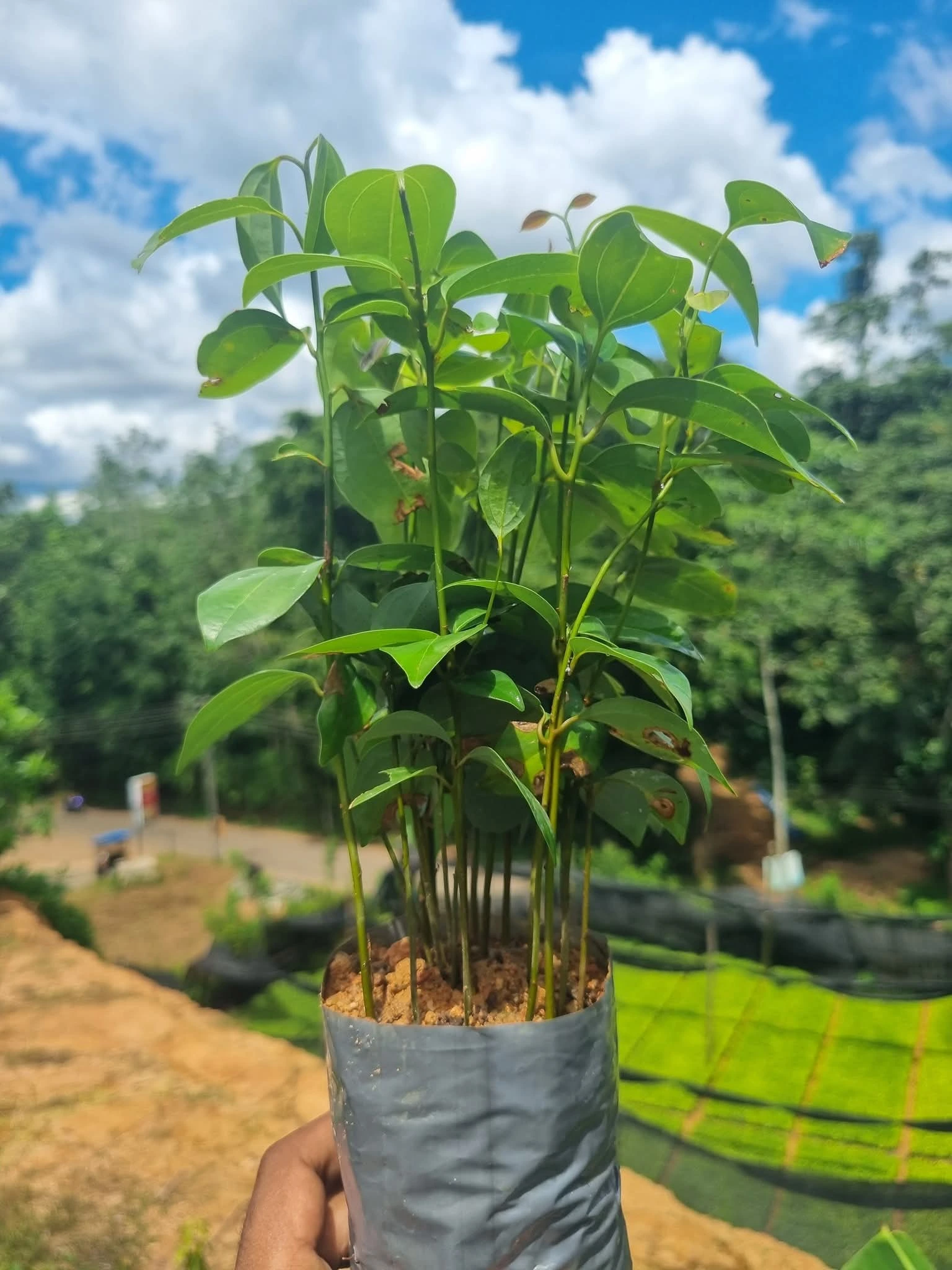
කුරුඳු පැළ
Cinnamon Plant
Healthy cinnamon plants suitable for growing in warm, humid conditions.
Rs. 30.00
● In StockAsk about this plant →Quality cinnamon, arecanut and pepper plants for a healthier, greener future.
ඔබේ වගාවට ගුණාත්මක පැළ.
With 26 years of field experience and a reputation built on enduring trust... we provide free technical guidance—from planting all the way to harvesting.
A registered nursery with the Department of Export Agriculture and the Cinnamon Development Department.
වසර 26ක ක්ෂේත්රයේ අත්දැකීම් සහ අඛණ්ඩ විශ්වාසයක් සමගින්.... සිටුවීමේ සිට අස්වැන්න ලබා ගන්නා තෙක් තාක්ෂණික උපදෙස් නොමිලේ...
අපනයන කෘෂිකර්ම දෙපාර්තමේන්තුවේ සහ කුරුදු සංවර්ධන දෙපාර්තමේන්තුවේ ලියාපදිංචි තවානකි.
අප තවානෙන් පැළ ප්රවාහනය කර දීමට සහ අවශ්ය පරිදි පැළ සිටුවීම සඳහා පහසුකම් සපයා දීමට හැකිය.
Sapugoda Nursery is a plant nursery in Sri Lanka offering cinnamon plants, arecanut and pepper seedlings. ශ්රී ලංකාවේ කුරුඳු පැළ (කුරුදු පැල), පුවක් පැළ සහ ගම්මිරිස් පැළ පිළිබඳ තොරතුරු හා වගා උපදෙස් මෙහි ලබාගත හැක.
Healthy cinnamon plants suitable for growing in warm, humid conditions.
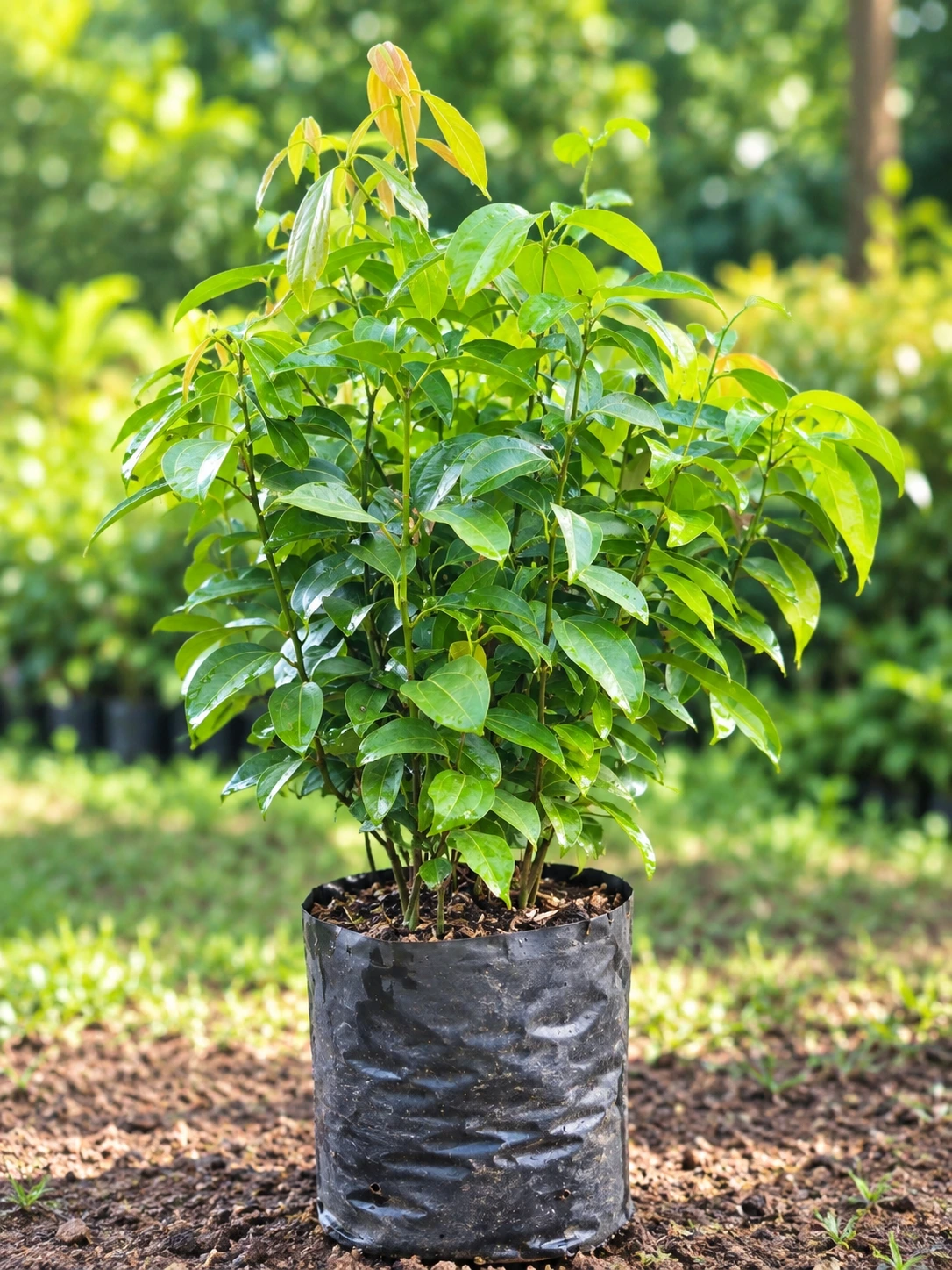
Established cinnamon saplings for planting and cultivation.
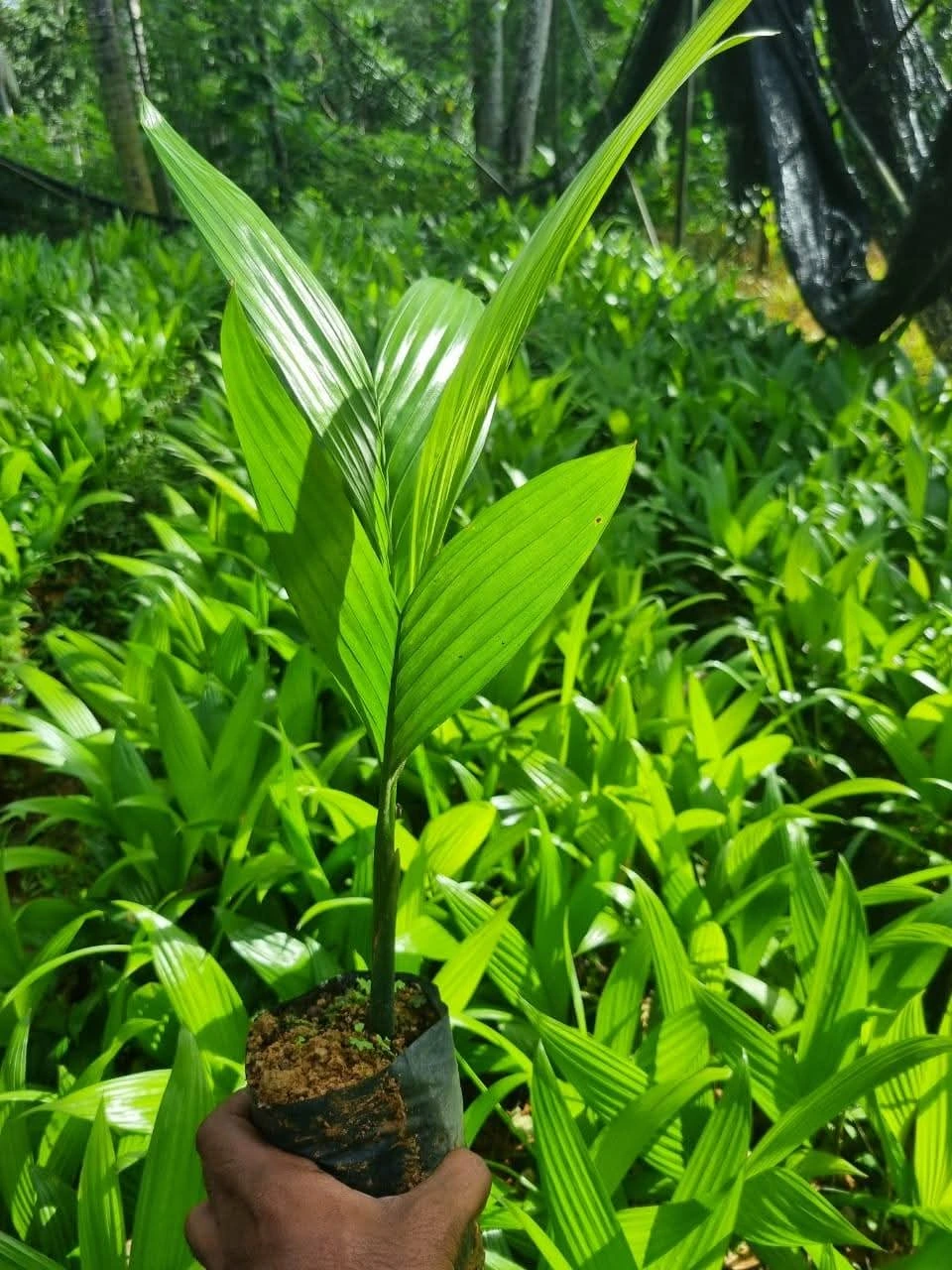
Young arecanut seedlings raised for plantation establishment.
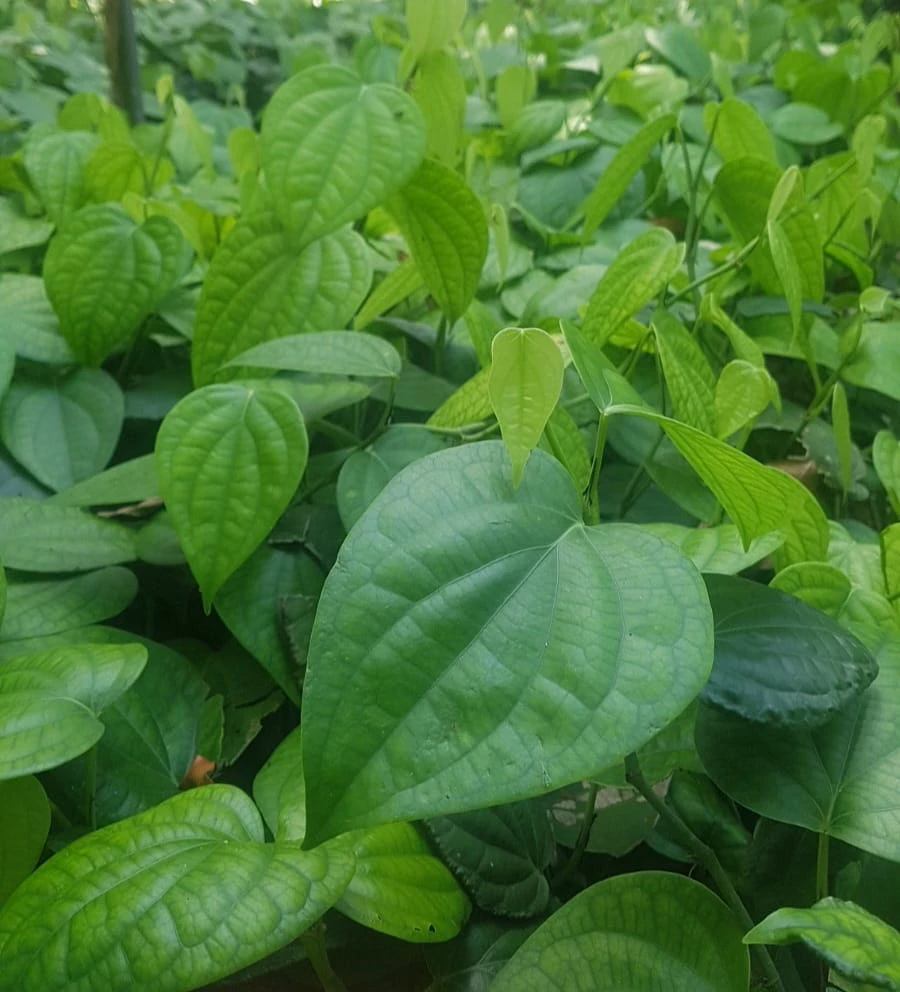
Black pepper plants for cultivation with suitable supports.
At Sapugoda Nursery, we focus on nursery-grown plants for growers. Explore our cinnamon, arecanut and pepper plant collection and contact us to learn about available plants.
සපුගොඩ පැළ තවානෙන් ඔබේ වගාවට අවශ්ය පැළ පිළිබඳ තොරතුරු ලබාගත හැක.
වසර 26ක ක්ෂේත්රයේ අත්දැකීම් සහ අඛණ්ඩ විශ්වාසයක් සමඟින්...
සිටුවීමේ සිට අස්වැන්න ලබා ගන්නා තෙක් තාක්ෂණික උපදෙස් නොමිලේ ලබා දේ.
අපනයන කෘෂිකර්ම දෙපාර්තමේන්තුවේ සහ කුරුඳු සංවර්ධන දෙපාර්තමේන්තුවේ ලියාපදිංචි තවානකි.
Detailed cultivation information for cinnamon, arecanut and pepper is shown below.
Cinnamon is an important spice crop grown in Sri Lanka. It is mainly cultivated for its valuable bark, which is used as a spice, flavouring agent, and in many food and medicinal products. Sri Lankan cinnamon is well known for its good quality and unique flavour.
Cinnamon is a perennial plant that belongs to the family Lauraceae. The scientific name of true cinnamon is Cinnamomum verum. It grows well in warm and humid climates. Cinnamon plants require well-drained soil, adequate rainfall, and sufficient sunlight for healthy growth.
Cinnamon can be propagated using seeds or vegetative methods. Healthy seeds are selected and planted in a nursery. After germination, the young seedlings are properly watered and maintained. When the seedlings become strong enough, they are transplanted into the field. Good-quality and healthy planting materials are important for obtaining a good harvest.
Before planting, the land should be properly prepared by removing weeds and unwanted vegetation. Planting holes are prepared at suitable spacing. Organic manure or compost can be added to improve soil fertility. Young cinnamon plants should be regularly watered, especially during dry periods. Weed control, mulching, and proper field maintenance are also important for healthy growth.
Cinnamon harvesting is mainly done by cutting suitable stems from mature plants. The outer bark is removed, and the inner bark is carefully peeled. The peeled bark is then dried and processed into cinnamon quills. Proper harvesting and processing methods help to maintain the quality of cinnamon.
Cinnamon cultivation provides income and employment opportunities for farmers. It is also an important agricultural export crop of Sri Lanka. Therefore, producing healthy cinnamon plants and maintaining proper cultivation practices are important for obtaining high-quality cinnamon and increasing farmer income.
Arecanut is an important plantation crop grown in many tropical countries, including Sri Lanka. The scientific name of the arecanut plant is Areca catechu. It is mainly cultivated for its nuts, which have economic and commercial value.
Arecanut is a tall and slender perennial palm. It grows well in warm and humid climates. The plant requires sufficient rainfall, sunlight, and well-drained fertile soil for healthy growth. It is commonly grown in areas where there is adequate moisture.
Healthy arecanut seedlings are selected for planting. Seeds from healthy and high-yielding plants are used to produce seedlings. The seeds are planted in a nursery and regularly watered. After the seedlings become strong and healthy, they are transplanted into the main field.
Before planting, the land should be properly prepared. Planting holes are prepared at suitable spacing, and organic manure or compost can be added to improve soil fertility. Young plants need regular watering, especially during dry periods. Weeding, mulching, fertilizer application, and proper drainage are important management practices.
Arecanut plants usually start producing nuts after several years. Mature fruits are harvested when they reach the required stage. The harvested nuts are processed and dried before being used or marketed.
Arecanut cultivation provides income and employment opportunities for farmers. It is also useful as an intercrop with other crops in suitable farming systems. Therefore, proper nursery management, field management, and harvesting practices are important for successful arecanut cultivation.
Pepper is an important spice crop grown in many tropical countries, including Sri Lanka. The scientific name of black pepper is Piper nigrum. It is mainly cultivated for its pepper berries, which are used as a spice and flavouring ingredient in many foods.
Black pepper is a perennial climbing plant. It grows well in warm and humid climates with sufficient rainfall. Pepper plants require fertile, well-drained soil and partial shade. Support trees or poles are used to help the pepper vines climb and grow properly.
Healthy pepper cuttings or planting materials are selected for cultivation. The cuttings are planted in a nursery and carefully maintained until they become strong and healthy. Then, they are planted in the field near suitable support trees or poles.
Proper land preparation is important for successful pepper cultivation. Organic manure or compost can be added to improve soil fertility. Regular watering, weeding, mulching, fertilizer application, and pruning are important management practices. Good drainage is also necessary to prevent waterlogging and root diseases.
Pepper plants produce flower spikes that develop into pepper berries. The berries are harvested when they reach the required maturity stage. After harvesting, the berries are processed and dried to produce black pepper. Proper harvesting and processing help to maintain good quality.
Pepper cultivation provides income and employment opportunities for farmers. It is also an important spice crop in Sri Lanka. Therefore, using healthy planting materials and following proper cultivation practices are important for obtaining a good pepper yield and high-quality product.
පැළවල මිල හා ලබාගත හැකි ප්රමාණය තහවුරු කරගැනීමට අපව අමතන්න.
This form opens your email app with the message ready to send.
Find Sapugoda Nursery using the Google Maps location link below.
📍 Open Location in Google Maps →